Fluency shaping has a reputation problem: it works beautifully in the therapy room and evaporates in the parking lot. The techniques themselves are not the issue — rate reduction, easy onsets, and continuous phonation reliably produce fluent speech. The issue is everything around them: dosing, fading, transfer, and the home practice nobody can verify.
This guide covers the core techniques, then the part that actually determines outcomes: how to run the practice loop between sessions.
🎙️ Try the biofeedback your clients would use — mic on. The gauge below measures your speaking rate in syllables per second, live from the microphone: the same real-time display behind every home practice session.
Typical adult range: 3.5 – 5.0 syll/sec (Jacewicz et al., 2009)
Free, in your browser — speak normally for a few seconds.
Live measurement needs Chrome or Edge on a computer.
What fluency shaping actually is
Fluency shaping (also called fluency enhancement) teaches a client a new way of talking that makes stuttering mechanically unlikely. Rather than managing moments of stuttering (that's stuttering modification), you rebuild the speech pattern itself: slower rate, gentle voicing onsets, smooth transitions between words, managed airflow.
The trade-off is well known: shaping produces high fluency at the cost of naturalness, at least initially — and it demands sustained practice to become automatic.
The core techniques
| Technique | What the client does | Typical progression |
|---|---|---|
| Prolonged speech / rate control | Stretches syllables, targets a slow rate first | Start ~2 syllables/sec, fade toward 4–4.5 |
| Easy onset | Begins voicing softly on initial vowels, breathy start | Isolated words → phrases → conversation |
| Continuous phonation | Keeps voicing on between words, no hard breaks | Reading → structured speech → spontaneous |
| Light articulatory contact | Touches consonants gently, no pressure buildup | Paired with easy onset |
| Pausing and phrasing (chunking) | Speaks in 3–5 word groups with deliberate pauses | Anchored to punctuation, then meaning units |
The single most common implementation error: treating the slow, over-controlled pattern as the destination. It's scaffolding. The plan must include a fading schedule back toward natural-sounding speech — which requires measuring rate, not guessing it.
Dosing and fading, in numbers
Rate is the master variable of shaping, and it's measurable. A workable adult progression:
Doing this without instrumentation means guessing. With a real-time SPS display, the client sees exactly where they are against today's target, and you can set each week's number precisely — "this week, readings at 3.0" — instead of "try to slow down a bit."
The transfer problem (and the practice loop)
The evidence is blunt: outcomes track practice frequency between sessions more than anything that happens inside them. Ten minutes daily beats an hour on Sunday. The obstacles are always the same three: the client can't tell if they're doing it right, you can't tell if they did it at all, and nobody sees progress week to week.
This is exactly the loop Talk Slower closes:
It's GDPR-compliant, runs in the browser (no install), and your clients never pay — your subscription covers them, with a 30-day free trial and no credit card.
Objective assessments. Visible home practice.
30-day free trial, no credit card, 3 clients included. Always free for your clients.
Start the free 30-day trialFAQ
What's the difference between fluency shaping and stuttering modification?
Shaping rebuilds the speech pattern to prevent stuttering; modification changes how the person stutters and relates to it (cancellation, pull-out, preparatory set). Most modern adult therapy blends both — see our side-by-side comparison.
How slow should prolonged speech be at the start?
Slow enough that fluency is essentially guaranteed — typically 1.5–2.5 syllables per second for adults. The point is to install the motor pattern, then fade systematically toward 4–4.5 SPS. Staying slow indefinitely is the classic failure mode.
How much home practice should I assign?
Five to fifteen minutes daily, every day. Frequency builds automaticity; marathon sessions build fatigue. The practical challenge is verification — which is why remote-monitoring tools change adherence more than any pep talk.
Does fluency shaping work for cluttering too?
Rate control transfers directly — cluttering therapy is largely built on making rate perceptible and controllable, which is the same biofeedback loop. See our cluttering treatment guide for the specifics.
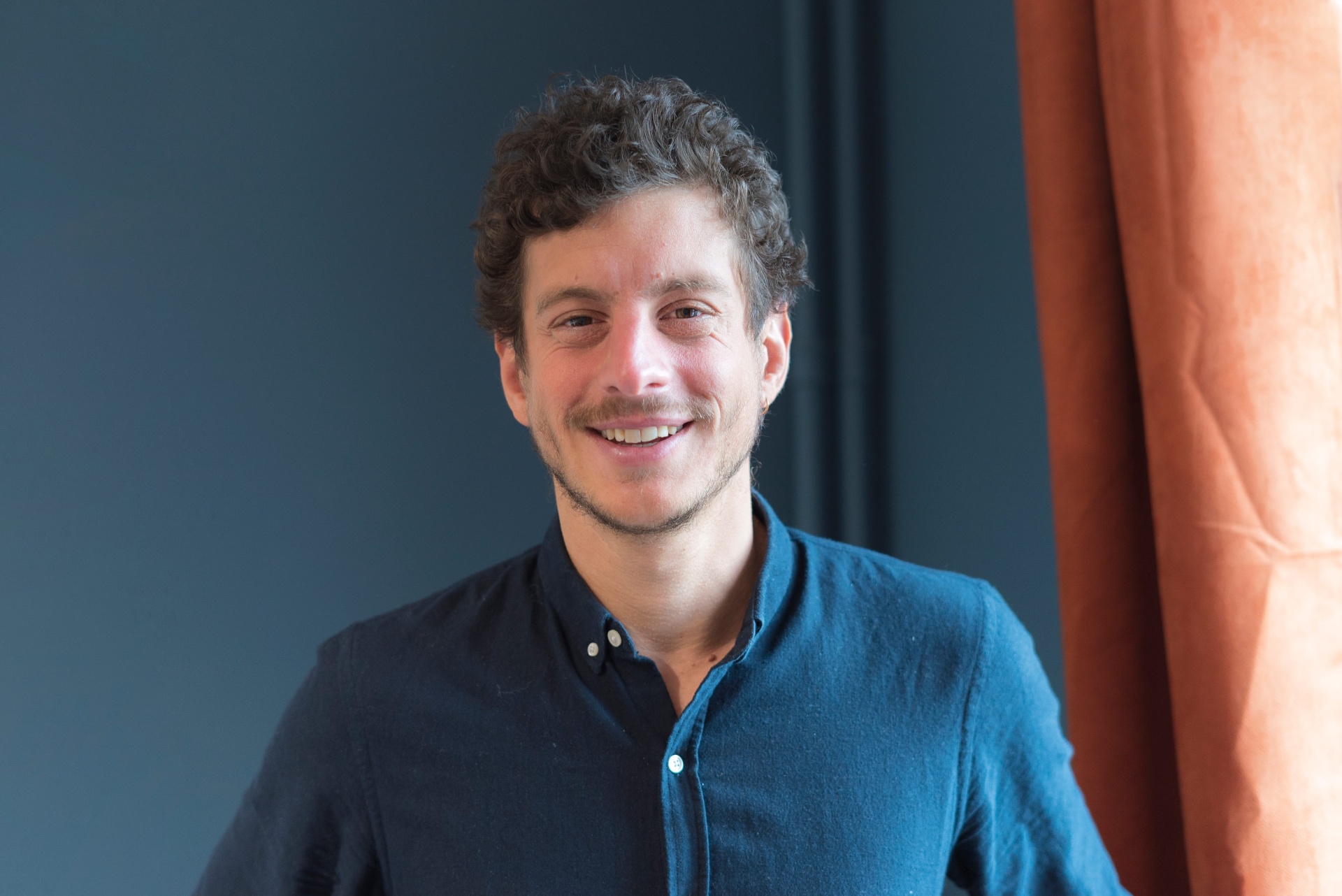
Clément — Founder of Talk Slower
I built Talk Slower after my own cluttering therapy. I wanted to create the tool my speech-language pathologist would have prescribed if it had existed: objective SPS measurement, at-home exercises, remote tracking. The app keeps evolving by staying close to speech-language pathologists.
Try it with your clients
Quantified fluency assessment in 20 minutes, biofeedback home practice, remote monitoring. 30-day free trial, no credit card — and always free for your clients.
Start the free 30-day trial